Smart home technology has rapidly transformed from a luxury concept into an essential part of modern living. With the rise of connected devices, artificial intelligence, and the Internet of Things, smart homes are now accessible to everyday users and are actively improving daily life in practical, meaningful ways. From increasing comfort and convenience to enhancing security, energy efficiency, and overall quality of life, smart home technology is reshaping how people interact with their living spaces.
This blog explores in detail how smart home technology improves daily life, highlighting key benefits, real-world applications, and future trends while naturally integrating important keywords related to smart home devices, home automation, smart living, and connected homes.
Understanding Smart Home Technology
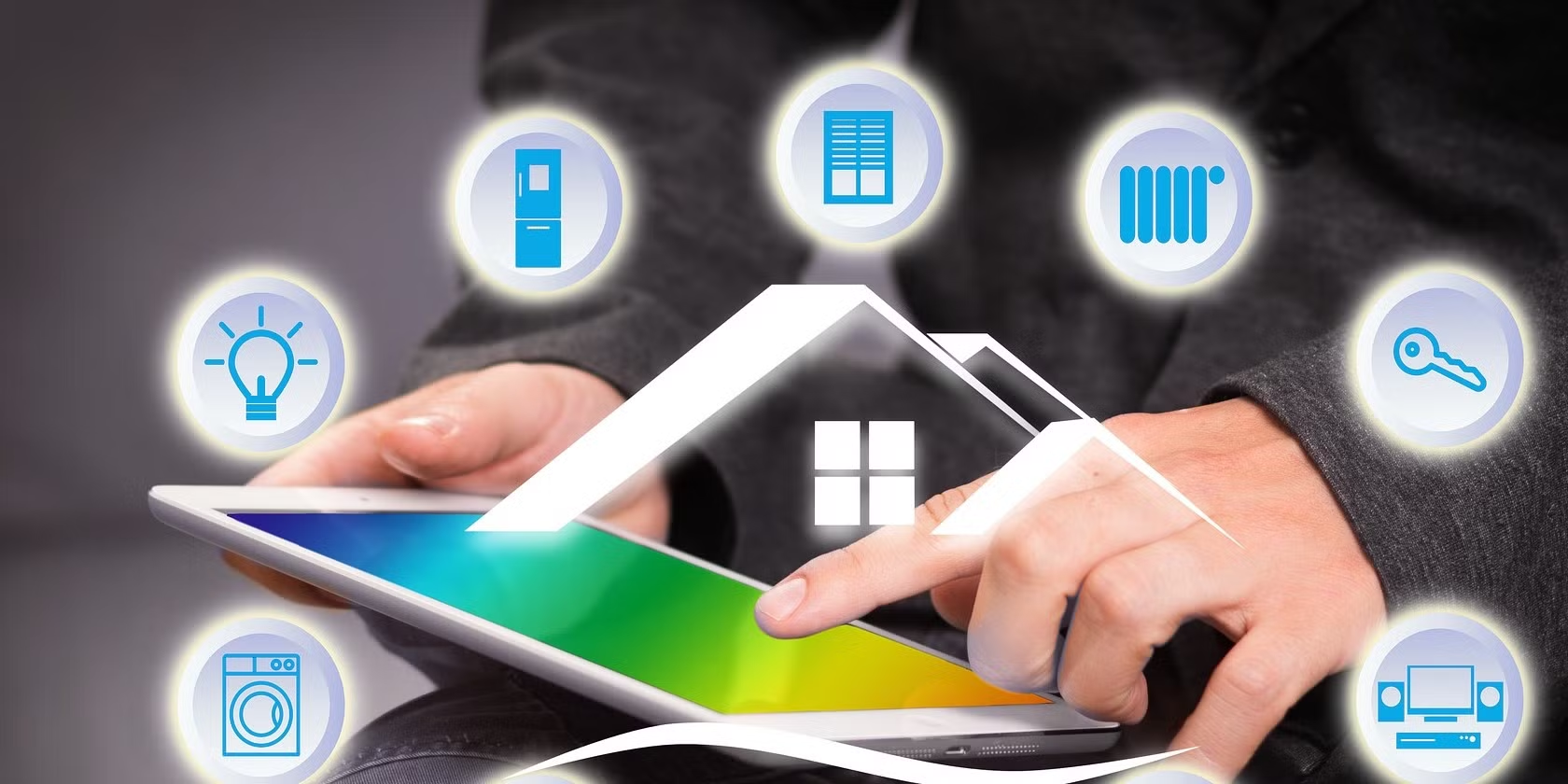
Smart home technology refers to a system of internet-connected devices that allow homeowners to monitor, control, and automate household functions remotely or automatically. These devices include smart lights, smart thermostats, smart speakers, smart locks, smart cameras, and smart appliances. Using mobile apps or voice assistants, users can manage their homes with ease. Home automation systems work together to create a connected ecosystem where devices communicate seamlessly, providing a smarter and more responsive living environment.
Convenience and Comfort in Everyday Life
One of the most noticeable ways smart home technology improves daily life is through unmatched convenience. Smart lighting systems allow users to control brightness, color, and schedules with a single tap or voice command. Smart thermostats automatically adjust room temperature based on user preferences, weather conditions, and occupancy, ensuring a comfortable environment throughout the day. Smart speakers act as personal assistants, helping users manage tasks, set reminders, play music, and control other smart home devices. This level of automation reduces manual effort and saves valuable time, making daily routines smoother and more enjoyable.
Enhanced Home Security and Safety
Home security is a major concern for homeowners, and smart home technology offers advanced solutions to protect property and loved ones. Smart security cameras provide real-time video monitoring, motion detection, and instant alerts directly to smartphones. Smart doorbells allow users to see and communicate with visitors remotely, enhancing safety even when away from home. Smart locks eliminate the need for traditional keys and offer features like remote access, temporary codes, and activity logs. Smoke detectors and smart sensors can detect fire, gas leaks, or water leaks early and send immediate notifications, preventing major damage and ensuring peace of mind.
Energy Efficiency and Cost Savings
Smart home technology plays a significant role in reducing energy consumption and lowering utility bills. Smart thermostats learn user behavior and optimize heating and cooling schedules to avoid energy waste. Smart lighting systems automatically turn off lights in unoccupied rooms, while smart plugs help manage power usage of appliances. Energy monitoring apps provide detailed insights into electricity consumption, enabling users to make informed decisions about energy usage. Over time, these energy-efficient solutions contribute to both environmental sustainability and financial savings.
Smart Home Technology for Better Health and Wellbeing
Smart homes are increasingly supporting healthier lifestyles. Smart air purifiers monitor indoor air quality and automatically adjust settings to reduce pollutants and allergens. Smart humidifiers and dehumidifiers maintain optimal humidity levels for respiratory comfort. Smart sleep devices track sleep patterns and create ideal sleeping conditions through automated lighting and temperature control. Fitness and wellness integration with smart home systems allows users to maintain healthier routines, making smart living beneficial for both physical and mental wellbeing.
Improved Productivity and Work From Home Experience
With remote work becoming more common, smart home technology has significantly improved productivity and work-life balance. Smart lighting can be adjusted to reduce eye strain and enhance focus during work hours. Noise control devices and smart speakers can create a distraction-free environment. Automated routines can prepare a home office setup with proper lighting, temperature, and connectivity at the start of the workday. These features help professionals stay focused, organized, and productive while working from home.
Entertainment and Smart Living Experiences
Entertainment has been revolutionized by smart home technology. Smart TVs, streaming devices, and connected sound systems provide immersive entertainment experiences. Users can control media playback across rooms, create home theater setups, and personalize content preferences. Voice-controlled entertainment systems make it easy to search for movies, adjust volume, or switch channels hands-free. This seamless integration enhances relaxation and leisure time, making entertainment more accessible and enjoyable.
Smart Kitchen and Household Automation
The kitchen is another area where smart home technology improves daily life. Smart refrigerators track groceries and suggest shopping lists, while smart ovens allow remote cooking control and recipe guidance. Smart coffee makers prepare beverages on schedule, and smart dishwashers optimize water and energy use. Household automation extends to robotic vacuum cleaners and smart washing machines, reducing the time and effort required for daily chores. These innovations simplify household management and free up time for more important activities.
Smart Home Technology for Families and Elderly Care
Smart homes offer valuable support for families and elderly individuals. Parental controls and monitoring features help parents ensure child safety. Smart sensors can track movement patterns of elderly family members and alert caregivers in case of emergencies. Voice assistants provide easy access to assistance without requiring technical expertise. These features promote independent living while ensuring safety and care for vulnerable individuals.
Integration and Customization of Smart Home Systems
One of the biggest advantages of smart home technology is its flexibility and customization. Users can create personalized automation routines based on daily habits. For example, a morning routine may include opening curtains, turning on lights, adjusting temperature, and playing news updates. Evening routines can focus on relaxation and security. Integration across multiple devices and platforms allows users to build a smart home ecosystem that matches their lifestyle and preferences.
Privacy and Data Security in Smart Homes
As smart homes rely on connected devices, privacy and data security are critical considerations. Modern smart home systems incorporate encryption, secure authentication, and regular updates to protect user data. Users can manage permissions, review data usage, and choose reputable brands that prioritize security. Understanding privacy settings and following best practices ensures that smart home technology remains safe and trustworthy.
The Role of Artificial Intelligence in Smart Homes
Artificial intelligence enhances the functionality of smart home technology by enabling learning and adaptation. AI-powered systems analyze user behavior to predict needs and automate responses. Voice recognition, facial recognition, and predictive analytics improve personalization and efficiency. As AI continues to evolve, smart homes will become more intuitive and responsive, further improving daily life.
Future Trends in Smart Home Technology
The future of smart home technology looks promising with advancements in AI, 5G connectivity, and edge computing. Upcoming innovations include smarter energy management, advanced health monitoring, and deeper integration with wearable devices. Smart homes will become more autonomous, sustainable, and user-centric. These trends indicate that smart living will continue to play a vital role in modern lifestyles.
Final Thoughts on Smart Home Technology and Daily Life
Smart home technology is no longer just about convenience; it is about creating a safer, healthier, and more efficient living environment. By automating routine tasks, enhancing security, saving energy, and supporting wellbeing, smart homes significantly improve daily life. As technology continues to advance, adopting smart home solutions can help individuals and families enjoy a more connected, comfortable, and intelligent way of living. Embracing smart home technology today is a step toward a smarter and more fulfilling future.