
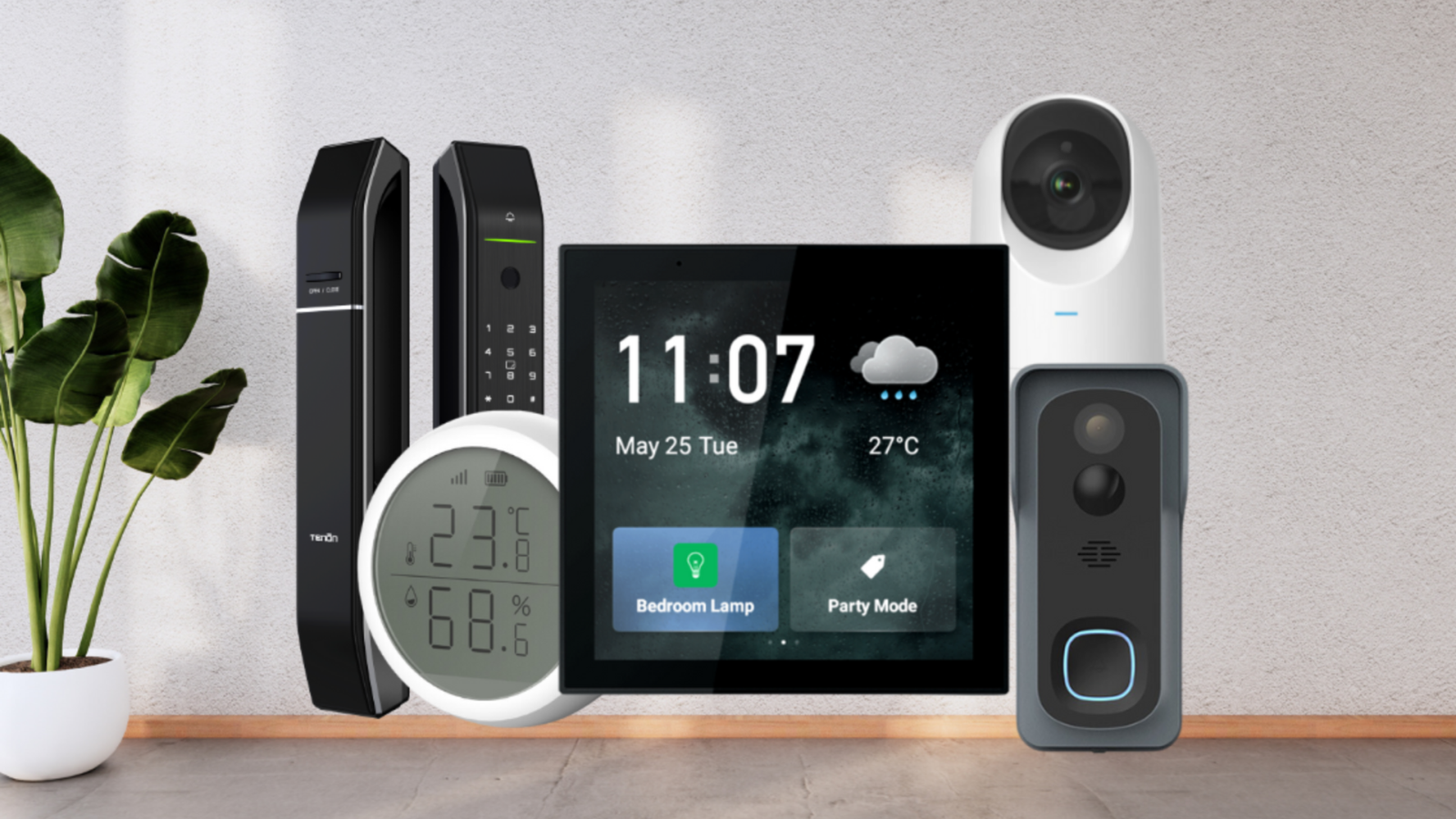
Home security and safety have become top priorities in today’s connected world, and smart home technology is playing a major role in transforming how people protect their homes and families. With advancements in smart sensors, artificial intelligence, and wireless connectivity, modern smart home devices offer real-time monitoring, instant alerts, remote control, and automated responses to potential threats. From preventing break-ins to detecting fire, gas leaks, and other emergencies, smart home security devices provide peace of mind and practical protection.
This detailed guide explains the best smart home devices for home security and safety, how they work, and why they are essential for modern living, while naturally incorporating important keywords related to smart home security, home safety devices, smart locks, security cameras, and connected home systems.
Why Smart Home Security Devices Are Important
Traditional home security methods such as basic locks and standalone alarms are no longer sufficient to handle modern threats. Smart home security devices provide proactive protection by monitoring activity in real time and alerting homeowners instantly. These devices can be controlled remotely through mobile apps, allowing users to check their home’s status from anywhere. Smart security systems also integrate multiple devices into one ecosystem, offering a comprehensive approach to safety. The combination of convenience, automation, and advanced detection makes smart home security devices a vital investment.
Smart Security Cameras for Complete Surveillance
Smart security cameras are among the most popular smart home devices for home security. These cameras provide high-definition video recording, night vision, motion detection, and cloud storage. Indoor and outdoor smart cameras allow homeowners to monitor every corner of their property. Many modern security cameras include artificial intelligence features such as facial recognition and activity classification, which help differentiate between people, pets, and vehicles. Real-time alerts and live streaming through mobile apps ensure that users stay informed about any suspicious activity.
Smart Video Doorbells for Front Door Safety
Smart video doorbells have revolutionized front door security. These devices combine a doorbell with a security camera and two-way audio, allowing users to see and communicate with visitors remotely. Motion detection alerts notify homeowners when someone approaches the door, even if they do not ring the bell. Smart doorbells enhance safety by deterring package theft and unauthorized access. They are especially useful for people who travel frequently or receive deliveries regularly.
Smart Locks for Keyless and Secure Access
Smart locks provide a modern alternative to traditional door locks by offering keyless entry and advanced access control. These smart home devices allow users to lock and unlock doors remotely, create temporary access codes, and monitor entry logs. Smart locks improve security by eliminating the risk of lost or duplicated keys. Integration with other smart home systems enables automation such as locking doors automatically at night or when the homeowner leaves the house. For families and rental properties, smart locks offer both convenience and enhanced safety.
Smart Alarm Systems for Intrusion Detection
Smart alarm systems form the backbone of home security setups. These systems include sensors placed on doors, windows, and entry points to detect unauthorized access. When triggered, smart alarms send instant notifications to the homeowner and can activate sirens or alerts. Many systems also offer professional monitoring services for additional protection. Smart alarm systems can be customized based on home size and security needs, making them suitable for apartments, houses, and offices.
Motion Sensors and Smart Sensors for Early Detection
Motion sensors and smart sensors play a crucial role in detecting unusual activity. These devices can sense movement, vibration, and changes in the environment. Smart motion sensors are often used in hallways, garages, and outdoor areas to detect intruders. Smart sensors can also monitor doors, windows, and cabinets. Integration with smart lighting and alarms allows for automated responses, such as turning on lights when motion is detected, which can deter potential intruders.
Smart Smoke Detectors and Fire Safety Devices
Fire safety is a critical aspect of home protection, and smart smoke detectors offer advanced features compared to traditional alarms. These devices can detect smoke, heat, and carbon monoxide and send alerts directly to smartphones. Smart smoke detectors provide early warnings even when homeowners are not at home, allowing for quick action. Integration with smart home systems can trigger automated responses such as turning off appliances or activating emergency lighting.
Smart Gas Leak and Water Leak Detectors
Gas leaks and water leaks can cause significant damage and pose serious safety risks. Smart gas detectors monitor air quality and detect harmful gases, sending immediate alerts if levels become dangerous. Smart water leak detectors identify leaks early, preventing costly water damage. These smart home safety devices are especially useful in kitchens, bathrooms, basements, and near appliances. Early detection helps homeowners take prompt action and avoid major repairs.
Smart Lighting for Security and Safety
Smart lighting systems contribute to home security by improving visibility and deterring intruders. Automated lighting schedules can simulate occupancy when homeowners are away, reducing the risk of break-ins. Motion-activated smart lights illuminate outdoor areas and entry points when movement is detected. Smart lighting also enhances safety by providing proper illumination in hallways, staircases, and outdoor paths, reducing the risk of accidents.
Smart Home Hubs and Integrated Security Systems
Smart home hubs act as central controllers that connect and manage multiple smart security devices. By integrating cameras, sensors, locks, and alarms into a single platform, users can monitor and control their entire security system easily. Automation routines allow devices to work together seamlessly. For example, when a security camera detects motion, smart lights can turn on and alarms can activate automatically. Integrated systems provide a unified and efficient approach to home security and safety.
Smart Home Security for Families and Elderly Care
Smart home security devices are especially beneficial for families and elderly individuals. Parents can monitor activity and ensure child safety through smart cameras and sensors. Elderly care benefits from fall detection sensors, emergency alerts, and voice-activated assistance. Smart home systems support independent living while ensuring help is available when needed. These features make smart home technology a valuable tool for caregiving and family safety.
Privacy and Data Protection in Smart Home Security
While smart home devices enhance security, protecting user data and privacy is equally important. Reputable smart home security brands use encryption, secure authentication, and regular software updates to protect data. Homeowners should review privacy settings, use strong passwords, and enable two-factor authentication. Understanding data policies and choosing trusted manufacturers helps maintain a secure and private smart home environment.
Choosing the Best Smart Home Devices for Your Needs
Selecting the right smart home security devices depends on factors such as home size, budget, and specific security concerns. Homeowners should assess entry points, vulnerable areas, and daily routines before choosing devices. Compatibility with existing smart home systems is also important. Reading reviews, comparing features, and considering professional installation options can help users make informed decisions. A well-planned smart home security setup provides maximum protection and peace of mind.
Future Trends in Smart Home Security Technology
Smart home security technology continues to evolve with advancements in artificial intelligence, machine learning, and connectivity. Future devices will offer improved threat detection, predictive analytics, and deeper integration with other smart systems. Facial recognition, voice authentication, and automated emergency responses will become more common. These innovations will make smart home security more proactive, efficient, and reliable.
Final Thoughts on Smart Home Devices for Security and Safety
Investing in smart home devices for home security and safety is a smart decision for modern homeowners. From smart cameras and locks to sensors and alarm systems, these devices provide comprehensive protection and convenience. By integrating advanced technology with everyday living, smart home security solutions help create safer, more secure, and more comfortable homes. As technology advances, adopting smart home security devices will continue to be an essential part of protecting what