Smart home technology has become an essential part of modern living, offering homeowners greater control, comfort, security, and efficiency. With a wide range of smart home devices available in the market, choosing the right products can be confusing. Each device comes with its own features, benefits, and usage scenarios, making comparison extremely important before investing. This detailed blog provides an in-depth smart home devices comparison, focusing on features, benefits, and real-world usage, while naturally incorporating important keywords related to smart home devices, home automation, smart living, connected homes, and IoT technology.
Understanding Smart Home Devices
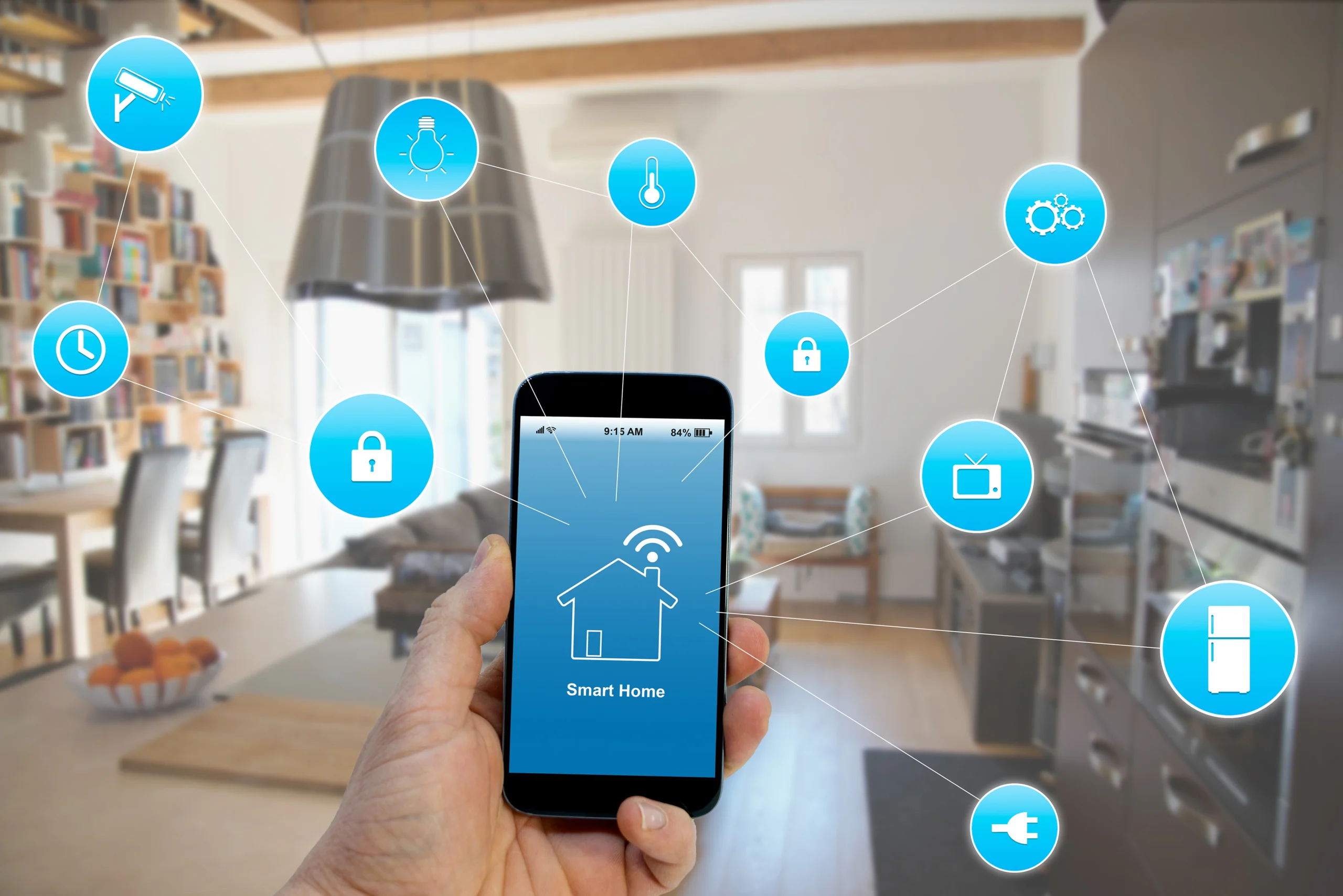
Smart home devices are internet-connected products designed to automate, monitor, and control household functions. These devices communicate with each other through wireless technologies such as Wi-Fi, Bluetooth, and Zigbee. Common categories include smart lighting, smart thermostats, smart security systems, smart appliances, smart speakers, and smart sensors. The goal of smart home automation is to create a seamless living experience that adapts to user needs and preferences.
Smart Speakers and Voice Assistants Comparison
Smart speakers act as the central control point for many smart homes. Popular smart speakers offer voice control, AI-powered assistance, and compatibility with multiple smart home platforms. Key features include voice recognition, music streaming, smart device control, and real-time information access. The benefits of smart speakers include hands-free operation, ease of use, and centralized control. In daily usage, smart speakers help users manage schedules, control lighting, set reminders, and access entertainment without manual interaction.
Smart Lighting Devices Features and Benefits
Smart lighting systems are among the most widely adopted smart home devices. These devices allow users to control brightness, color temperature, and scheduling through mobile apps or voice commands. Advanced features include motion detection, automation routines, and energy monitoring. The main benefits of smart lighting include energy efficiency, enhanced security, and improved ambiance. In practical usage, smart lights can automatically turn on when someone enters a room, simulate occupancy when users are away, and create customized lighting scenes for different activities.
Smart Thermostats Comparison and Usage
Smart thermostats are designed to optimize indoor temperature while reducing energy consumption. Key features include learning algorithms, remote access, weather-based adjustments, and energy usage reports. The benefits of smart thermostats include lower electricity bills, improved comfort, and environmental sustainability. In daily use, these devices automatically adjust heating and cooling based on occupancy patterns and user preferences, ensuring optimal comfort without constant manual adjustments.
Smart Security Cameras and Surveillance Devices
Smart security cameras provide real-time monitoring and advanced surveillance features. These devices offer high-definition video recording, night vision, motion detection, and cloud storage. Some models include artificial intelligence for facial recognition and activity classification. The primary benefits of smart security cameras include enhanced home security, remote monitoring, and instant alerts. In real-world usage, homeowners can monitor their property from anywhere and receive notifications about unusual activity.
Smart Video Doorbells Comparison
Smart video doorbells combine a doorbell with a camera and two-way audio system. Key features include motion alerts, live video streaming, and visitor communication. Benefits include improved front door security, package theft prevention, and remote visitor management. In everyday use, smart doorbells allow users to see who is at their door even when they are not at home, adding an extra layer of convenience and safety.
Smart Locks and Access Control Devices
Smart locks provide keyless entry and enhanced access control. Features include remote locking and unlocking, temporary access codes, activity logs, and integration with other smart home systems. The benefits of smart locks include improved security, convenience, and flexibility. In daily usage, smart locks eliminate the need for physical keys and allow homeowners to manage access for family members, guests, and service providers.
Smart Sensors for Safety and Automation
Smart sensors include motion sensors, door and window sensors, smoke detectors, gas leak detectors, and water leak sensors. These devices monitor environmental conditions and trigger alerts or automated actions. Benefits include early detection of hazards, damage prevention, and enhanced safety. In practical usage, smart sensors help prevent accidents by notifying users about potential threats such as fire, gas leaks, or unauthorized entry.
Smart Appliances Comparison and Benefits
Smart appliances bring automation and connectivity to everyday household tasks. Examples include smart refrigerators, washing machines, ovens, and robotic vacuum cleaners. Features often include remote control, usage tracking, and automation. Benefits include time savings, energy efficiency, and improved convenience. In daily life, smart appliances reduce manual effort and help users manage household chores more efficiently.
Smart Home Hubs and Ecosystem Integration
Smart home hubs act as centralized controllers that connect multiple devices into one system. Features include cross-device compatibility, automation routines, and centralized management. Benefits include simplified control, improved automation, and seamless integration. In usage, smart home hubs allow different devices to work together, creating customized routines such as automated lighting, security, and climate control.
Comparing Smart Home Platforms and Compatibility
Compatibility is a crucial factor when comparing smart home devices. Some devices work within specific ecosystems, while others offer cross-platform support. Key considerations include device interoperability, app usability, and future expansion. Choosing compatible devices ensures smooth integration and reduces technical issues. In real-world usage, a compatible ecosystem allows users to expand their smart home gradually without replacing existing devices.
Energy Efficiency and Cost Comparison
Energy efficiency is a major benefit of smart home devices. Smart lighting, thermostats, and appliances help reduce energy waste through automation and monitoring. While initial costs may be higher than traditional devices, long-term savings often offset the investment. In usage, energy-efficient smart home devices contribute to lower utility bills and environmental sustainability.
Privacy and Security Considerations
Smart home devices collect and process data, making privacy and security important factors. Features such as encryption, secure authentication, and regular updates protect user data. Benefits include safer device usage and reduced risk of cyber threats. In practice, users should follow best practices such as using strong passwords, enabling two-factor authentication, and choosing reputable brands.
Choosing the Right Smart Home Devices
Selecting the best smart home devices depends on individual needs, budget, and home layout. Factors to consider include device features, compatibility, ease of installation, and support services. Comparing products based on real-world usage and user reviews helps make informed decisions. A well-planned smart home setup provides maximum benefits and long-term satisfaction.
Future Trends in Smart Home Technology
The smart home industry continues to evolve with advancements in artificial intelligence, machine learning, and connectivity. Future devices will offer greater automation, personalization, and predictive capabilities. Trends such as voice-first interfaces, energy optimization, and enhanced security will shape the future of smart living. Understanding these trends helps users make future-proof choices.
Final Thoughts on Smart Home Devices Comparison
Smart home devices offer a wide range of features, benefits, and usage scenarios that can significantly improve daily life. By comparing smart home devices carefully, users can choose solutions that match their lifestyle, security needs, and budget. From lighting and climate control to security and appliances, smart home technology continues to redefine modern living. Investing in the right smart home devices ensures a more comfortable, efficient, and connected home experience.