
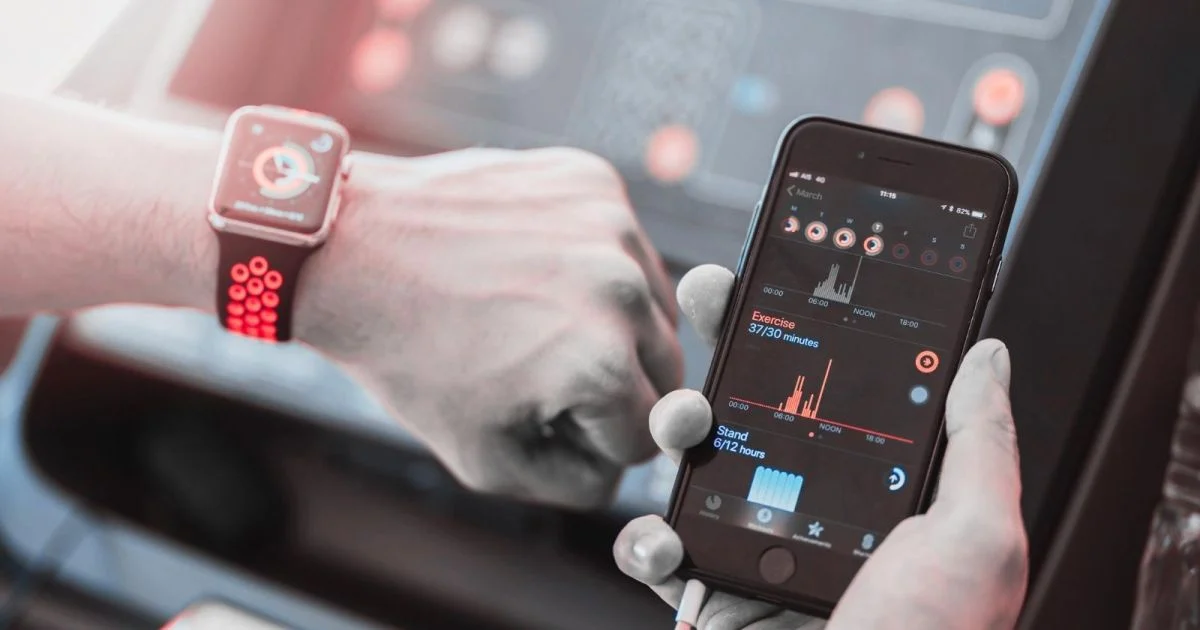
Wearable technology has rapidly evolved into an essential part of modern health and fitness lifestyles. From tracking daily steps and monitoring heart rate to analyzing sleep patterns and supporting advanced workout routines, wearable devices help people stay informed, motivated, and proactive about their health. As technology improves, wearable health and fitness devices are becoming more accurate, user-friendly, and packed with smart features. This in-depth blog explores the best wearable devices for health and fitness tracking, explaining their features, benefits, and real-world usage while naturally integrating important keywords such as wearable devices, fitness trackers, smartwatches, health monitoring devices, activity tracking, and wellness technology.
Understanding Wearable Health and Fitness Technology
Wearable devices are electronic gadgets designed to be worn on the body, commonly as wristbands, watches, rings, or clips. These devices collect health and activity data using sensors such as accelerometers, heart rate monitors, GPS, and blood oxygen sensors. Wearable health technology focuses on continuous monitoring, providing users with real-time insights into their physical activity, fitness levels, and overall wellness. This constant feedback helps users make informed decisions about their daily habits.
Why Wearable Devices Are Important for Health Tracking
Health tracking is no longer limited to occasional checkups. Wearable devices allow users to monitor key health metrics daily, helping detect patterns and potential issues early. Tracking heart rate, physical activity, sleep quality, and stress levels provides a clearer picture of overall health. Wearable fitness trackers encourage accountability and consistency, making it easier to maintain healthy routines. These devices are useful for beginners, fitness enthusiasts, athletes, and individuals managing health conditions.
Smartwatches as Advanced Fitness and Health Trackers
Smartwatches are among the most popular wearable devices for health and fitness tracking. They combine traditional watch functions with advanced sensors and smart features. Smartwatches can track steps, calories burned, heart rate, workouts, sleep, and sometimes blood oxygen levels. Many smartwatches also support GPS tracking, making them ideal for running, cycling, and outdoor activities. The benefits of smartwatches include convenience, multifunctionality, and seamless integration with smartphones.
Fitness Bands and Activity Trackers
Fitness bands are lightweight wearable devices focused primarily on activity and health tracking. These devices are ideal for users who want simple and affordable fitness tracking without advanced smartwatch features. Fitness trackers monitor steps, distance, calories, sleep, and basic workouts. Some models include heart rate monitoring and waterproof designs. Fitness bands are easy to use, comfortable for all-day wear, and suitable for beginners starting their fitness journey.
Wearable Devices for Heart Rate and Cardiovascular Health
Heart rate monitoring is a core feature of most wearable health devices. Continuous heart rate tracking helps users understand resting heart rate, workout intensity, and recovery levels. Advanced wearable devices can detect irregular heart rhythms and provide alerts. Monitoring cardiovascular health through wearable technology supports safer workouts and long-term heart health awareness.
Sleep Tracking Wearables for Better Rest
Sleep tracking is one of the most valuable features of modern wearable devices. These devices analyze sleep duration, sleep stages, and sleep quality. Wearable sleep trackers provide insights into bedtime routines, sleep consistency, and recovery. Improving sleep quality leads to better energy levels, focus, and overall health. Wearable devices help users identify habits that affect sleep and encourage healthier rest patterns.
Wearables for Stress and Wellness Monitoring
Stress management is an important aspect of overall wellness. Many wearable devices now include stress tracking features using heart rate variability and activity patterns. These devices provide relaxation reminders, breathing exercises, and mindfulness prompts. Wearable wellness technology helps users recognize stress triggers and adopt healthier coping strategies. This feature is especially beneficial for busy professionals and individuals managing mental well-being.
Wearable Devices for Fitness Training and Performance
Fitness-focused wearables support various workout modes such as running, walking, cycling, swimming, strength training, and yoga. These devices track workout duration, intensity, calories burned, and progress over time. Advanced wearable devices offer training insights, performance metrics, and recovery suggestions. Athletes and fitness enthusiasts benefit from data-driven training plans that improve performance and reduce injury risk.
GPS Wearables for Outdoor Activities
GPS-enabled wearable devices are essential for outdoor fitness activities. These wearables track routes, distance, pace, and elevation accurately. GPS fitness trackers are ideal for runners, hikers, and cyclists who want detailed performance data. Real-time tracking and post-workout analysis help users evaluate progress and set new fitness goals.
Wearable Health Devices for Women’s Health
Many wearable devices now include features designed specifically for women’s health. These features include menstrual cycle tracking, fertility insights, and wellness reminders. Wearable technology helps women better understand their bodies and health patterns. Integrating women’s health tracking into wearable devices promotes personalized and inclusive health monitoring.
Smart Rings and Alternative Wearables
In addition to watches and bands, smart rings and other alternative wearables are gaining popularity. Smart rings offer discreet health tracking with features such as sleep monitoring, activity tracking, and heart rate analysis. These devices are lightweight and comfortable, making them suitable for users who prefer minimalistic designs. Alternative wearable devices expand options for personalized health tracking.
Data Accuracy and Reliability in Wearable Devices
Accuracy is a key factor when choosing wearable health and fitness devices. Advances in sensor technology and algorithms have improved data reliability significantly. While wearable devices are not medical tools, they provide valuable trends and insights. Consistent use and proper device fitting improve accuracy and usefulness of collected data.
Integration With Mobile Apps and Health Platforms
Wearable devices work alongside mobile apps to display, analyze, and store health data. These apps provide detailed dashboards, goal tracking, and personalized recommendations. Integration with health platforms allows users to share data with healthcare providers or fitness coaches. App connectivity enhances the overall wearable experience and makes data easier to understand.
Privacy and Data Security in Wearable Technology
Wearable devices collect sensitive health data, making privacy and security important considerations. Reputable wearable brands use encryption and secure cloud storage to protect user information. Users should review privacy settings, manage permissions, and keep software updated. Responsible data handling ensures safe and trustworthy use of wearable health devices.
Choosing the Best Wearable Device for Your Needs
Selecting the best wearable device depends on individual health goals, lifestyle, and budget. Users should consider features such as activity tracking, battery life, comfort, compatibility, and app support. Beginners may prefer simple fitness trackers, while advanced users may choose feature-rich smartwatches. Understanding personal needs helps users choose the most suitable wearable technology.
Benefits of Using Wearable Devices Daily
Daily use of wearable devices promotes consistency and awareness. Regular tracking encourages users to stay active, maintain healthy routines, and monitor progress. Wearable devices provide motivation through reminders, achievements, and insights. Over time, these benefits contribute to improved physical fitness, better health habits, and enhanced quality of life.
Future Trends in Wearable Health and Fitness Devices
Wearable technology continues to evolve with advancements in artificial intelligence, biosensors, and connectivity. Future devices will offer more precise health monitoring, predictive insights, and integration with healthcare systems. Wearable devices may soon track additional metrics such as hydration levels and advanced biometrics. These innovations will further enhance personalized health and fitness tracking.
Final Thoughts on Best Wearable Devices for Health and Fitness Tracking
Wearable devices have transformed how people monitor and manage their health and fitness. From smartwatches and fitness bands to smart rings and wellness trackers, these devices offer valuable insights and motivation for healthier living. By choosing the right wearable device and using it consistently, users can take control of their health, improve fitness performance, and build sustainable wellness habits. Wearable technology continues to empower individuals to live healthier, more active lives through smart and connected solutions.