
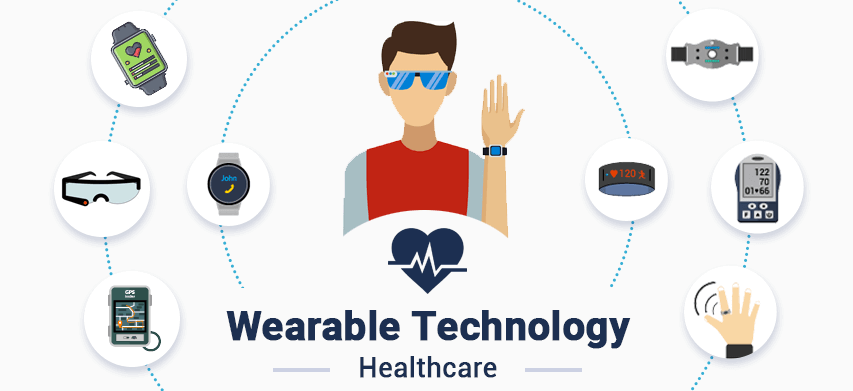
Wearable technology tools have transformed the way people interact with technology in their daily lives. From fitness tracking and health monitoring to productivity enhancement and entertainment, wearable devices are now an essential part of the modern digital ecosystem. These smart wearables are designed to be worn on the body, offering real-time data, seamless connectivity, and intelligent features that improve efficiency, health, and lifestyle.
In recent years, the wearable technology market has grown rapidly due to advancements in sensors, artificial intelligence, Internet of Things (IoT), and mobile connectivity. Devices such as smartwatches, fitness trackers, smart glasses, wearable medical devices, and even smart clothing have become mainstream. This blog explores wearable technology tools in depth, their types, benefits, use cases, popular tools, future trends, and how they are shaping the digital world.
What Are Wearable Technology Tools
Wearable technology tools are electronic devices designed to be worn on the body as accessories, clothing, implants, or devices embedded in fabric. These tools collect data, analyze user behavior, and provide insights through connected software applications. Most wearable tools connect with smartphones, tablets, or cloud platforms using Bluetooth, Wi-Fi, or cellular networks.
The primary goal of wearable technology is to provide convenience, automation, health tracking, and enhanced digital experiences without requiring constant interaction with traditional devices such as laptops or smartphones.
Evolution of Wearable Technology
Wearable technology is not a new concept. Early examples include calculator watches and basic pedometers. However, modern wearable technology tools evolved with the introduction of advanced sensors, compact processors, and smart operating systems.
The launch of smartwatches and fitness trackers marked a turning point in the industry. Companies began integrating heart rate sensors, GPS tracking, sleep monitoring, and AI-powered analytics. Today, wearable technology is used across industries such as healthcare, fitness, gaming, education, enterprise, and defense.
Types of Wearable Technology Tools
Wearable technology tools can be categorized based on functionality and use cases. Each category serves a specific purpose and targets different user needs.
Smartwatches
Smartwatches are among the most popular wearable devices. They offer features such as notifications, call handling, fitness tracking, heart rate monitoring, GPS navigation, and mobile app integration. Modern smartwatches also support voice assistants, contactless payments, and health monitoring tools.
Popular smartwatch keywords include smart wearable devices, digital watches, fitness smartwatches, and health monitoring watches.
Fitness Trackers
Fitness trackers are wearable technology tools focused on physical activity and wellness. These devices track steps, calories burned, distance traveled, sleep patterns, and heart rate. Fitness trackers are widely used by health-conscious individuals and athletes.
Keywords commonly associated with fitness trackers include activity trackers, health wearables, step counters, and workout tracking tools.
Wearable Health Devices
Wearable health technology tools are designed to monitor medical conditions and health metrics. These devices can track blood oxygen levels, ECG, blood pressure, glucose levels, and body temperature. They are increasingly used for remote patient monitoring and preventive healthcare.
Healthcare wearables play a crucial role in digital health, telemedicine, and personalized treatment plans.
Smart Glasses and AR Wearables
Smart glasses and augmented reality wearables enhance visual experiences by overlaying digital information onto the real world. These wearable technology tools are used in gaming, navigation, training, manufacturing, and education.
AR wearable tools are gaining popularity in enterprise applications, offering hands-free information access and immersive learning experiences.
Wearable Audio Devices
Wearable audio technology includes smart earbuds, wireless headphones, and bone conduction devices. These tools provide audio streaming, voice assistant support, noise cancellation, and fitness integration.
Keywords related to wearable audio tools include smart earbuds, wireless wearables, and audio wearable devices.
Smart Clothing and Wearable Fabrics
Smart clothing integrates sensors directly into fabrics to monitor body movement, posture, heart rate, and temperature. These wearable technology tools are commonly used in sports, medical rehabilitation, and industrial safety.
Smart textiles represent the future of wearable technology by blending comfort with advanced functionality.
Key Features of Wearable Technology Tools
Wearable technology tools offer a wide range of features that make them valuable for personal and professional use.
Real-time data tracking allows users to monitor health, fitness, and productivity continuously. Advanced sensors enable accurate measurement of vital signs and movement patterns. Connectivity features ensure seamless integration with smartphones and cloud platforms. AI-powered analytics help users gain insights and recommendations based on collected data.
Battery efficiency and compact design are also critical features that enhance user experience. Modern wearable tools are designed to be lightweight, durable, and energy-efficient.
Benefits of Wearable Technology Tools
Wearable technology tools provide numerous benefits that contribute to improved quality of life and efficiency.
Health monitoring is one of the most significant advantages. Wearables help users track physical activity, detect health issues early, and maintain a healthy lifestyle. Fitness motivation is another benefit, as wearable devices encourage users to stay active through goals and performance tracking.
Productivity enhancement is achieved through notifications, reminders, and task management features. Wearable tools also improve safety by offering emergency alerts, fall detection, and location tracking.
In professional environments, wearable technology improves workflow efficiency, reduces errors, and enhances training through real-time feedback and augmented reality applications.
Wearable Technology Tools in Healthcare
Healthcare is one of the fastest-growing sectors for wearable technology. Wearable medical devices enable continuous monitoring of patients without requiring hospital visits. Doctors and healthcare providers can analyze real-time data to make informed decisions.
Wearable technology tools support remote patient monitoring, chronic disease management, and elderly care. They also reduce healthcare costs by preventing complications and enabling early diagnosis.
Digital health wearables are revolutionizing patient engagement and personalized treatment approaches.
Wearable Technology Tools in Fitness and Sports
Fitness and sports industries heavily rely on wearable technology tools to optimize performance and prevent injuries. Athletes use wearables to monitor heart rate variability, training load, recovery time, and sleep quality.
Fitness wearables provide detailed insights into workout effectiveness and help users set realistic fitness goals. Coaches and trainers use wearable data to design personalized training programs.
Wearable technology has become an essential tool for professional athletes and fitness enthusiasts alike.
Wearable Technology Tools for Productivity
Wearable tools are increasingly used to enhance productivity in both personal and professional settings. Smartwatches help users manage notifications, schedules, and communication without constantly checking smartphones.
In enterprise environments, wearable technology tools improve efficiency by providing real-time information, task updates, and hands-free communication. Smart glasses and AR wearables are particularly useful in manufacturing, logistics, and field service operations.
Security and Privacy Concerns in Wearable Technology
While wearable technology tools offer many benefits, they also raise concerns related to data security and privacy. Wearable devices collect sensitive personal information, including health data and location details.
Ensuring data encryption, secure authentication, and compliance with data protection regulations is essential. Users should be aware of privacy settings and choose wearable tools from trusted manufacturers.
Cybersecurity in wearable technology is a growing area of focus as the adoption of smart wearables continues to rise.
Popular Wearable Technology Tools and Platforms
Several wearable technology tools and platforms dominate the market due to their reliability, features, and ecosystem support. Popular tools include smartwatches, fitness trackers, and health wearables integrated with mobile applications and cloud services.
Wearable platforms often support third-party apps, allowing developers to create customized solutions for different industries. This ecosystem approach drives innovation and user engagement.
Future Trends in Wearable Technology Tools
The future of wearable technology tools looks promising with advancements in artificial intelligence, machine learning, and sensor technology. Future wearables are expected to become more intelligent, accurate, and personalized.
Emerging trends include implantable wearables, advanced health diagnostics, emotion detection, and smart clothing with enhanced capabilities. Integration with smart home systems and digital assistants will further expand the use cases of wearable technology.
Wearable technology tools will continue to play a key role in digital transformation across industries.
How to Choose the Right Wearable Technology Tool
Selecting the right wearable technology tool depends on individual needs and use cases. Users should consider factors such as purpose, compatibility, battery life, design, and data accuracy.
Fitness enthusiasts should focus on activity tracking features, while healthcare users should prioritize medical-grade accuracy. Professionals may benefit from productivity and enterprise-focused wearables.
Understanding requirements and comparing features helps users make informed decisions.
Wearable Technology and the Internet of Things
Wearable technology tools are an integral part of the Internet of Things ecosystem. Wearables collect data and communicate with other smart devices, creating a connected digital environment.
Integration with smartphones, smart homes, and cloud platforms enables automation and personalized experiences. IoT-enabled wearables enhance convenience and efficiency in everyday life.
Conclusion
Wearable technology tools have become a powerful force in the modern digital era. They offer innovative solutions for health monitoring, fitness tracking, productivity enhancement, and entertainment. With continuous advancements in technology, wearable tools are becoming more intelligent, reliable, and accessible.
As adoption grows, wearable technology will continue to reshape how people interact with digital systems. From smartwatches and fitness trackers to medical wearables and smart clothing, these tools are driving the future of connected living.
Wearable technology tools are no longer just gadgets; they are essential digital companions that enhance lifestyle, health, and productivity in meaningful ways.