
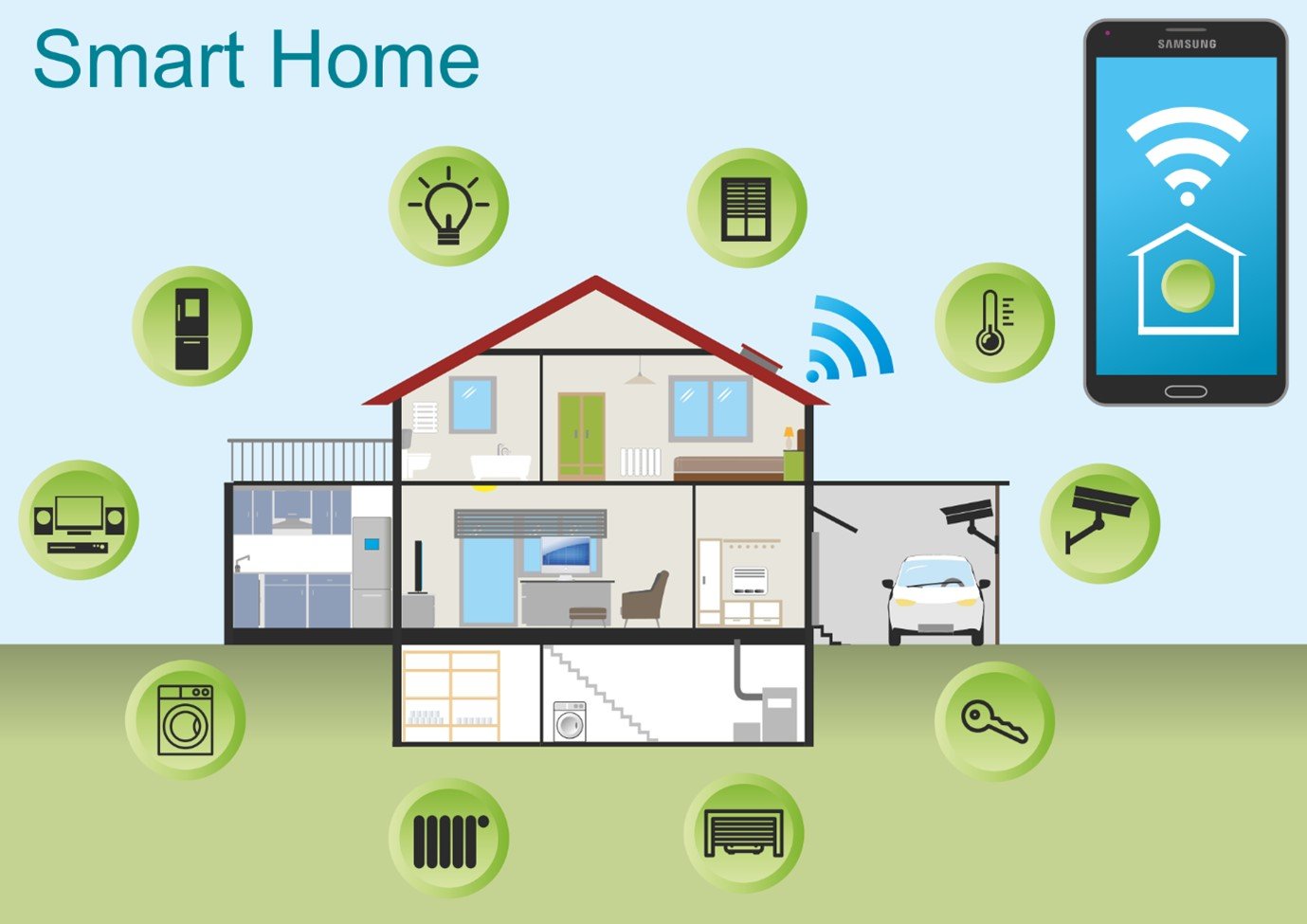
Smart home devices and tools have rapidly moved from futuristic concepts to everyday essentials, redefining how people live, work, and interact with their environments. A smart home integrates connected devices, sensors, and software to automate tasks, enhance comfort, improve energy efficiency, and increase security. As internet connectivity becomes faster and more reliable, smart home technology is evolving into a complete ecosystem that adapts to human behavior and lifestyle needs. This transformation is not only changing residential living but also influencing sustainability, accessibility, and digital well-being.
Understanding the Concept of Smart Homes
A smart home refers to a living space equipped with devices that can be controlled remotely or automatically through smartphones, voice assistants, or centralized systems. These devices communicate using technologies such as Wi-Fi, Bluetooth, Zigbee, Z-Wave, and cloud-based platforms. The main objective of a smart home is to simplify daily routines, reduce manual effort, and create an environment that responds intelligently to user preferences. From adjusting lighting based on time of day to managing energy usage efficiently, smart homes offer a seamless blend of convenience and innovation.
Evolution of Smart Home Technology
The journey of smart home technology began with basic automation systems like programmable thermostats and motion-sensing lights. Over time, advancements in artificial intelligence, cloud computing, and the Internet of Things have significantly expanded capabilities. Modern smart homes now include interconnected ecosystems where devices learn from user behavior, predict needs, and operate autonomously. Voice control, machine learning, and data analytics have accelerated adoption, making smart homes more intuitive and user-friendly than ever before.
Core Components of a Smart Home Ecosystem
A functional smart home relies on several core components working together. The first component is connectivity, which ensures devices can communicate reliably. The second is control interfaces, such as mobile applications or voice assistants, that allow users to manage devices easily. Automation rules form another essential element, enabling actions to occur based on triggers like time, location, or sensor input. Finally, cloud platforms store data, enable remote access, and support advanced features such as predictive automation and integration with third-party services.
Smart Lighting Systems
Smart lighting is often the entry point for many users exploring smart home technology. These systems allow users to control brightness, color temperature, and schedules through mobile apps or voice commands. Smart lights can automatically turn on when someone enters a room or adjust based on natural daylight. Beyond convenience, smart lighting contributes to energy savings by reducing unnecessary usage and providing insights into consumption patterns. The ability to create lighting scenes also enhances ambiance and supports activities such as reading, relaxation, or entertainment.
Smart Thermostats and Climate Control
Smart thermostats play a crucial role in optimizing indoor comfort while minimizing energy costs. These devices learn user preferences over time and adjust heating or cooling accordingly. Many smart thermostats use occupancy detection and weather data to make intelligent decisions, ensuring optimal temperature levels without wasting energy. Advanced climate control systems integrate with smart vents, humidity sensors, and air quality monitors to create healthier and more efficient living environments.
Smart Security and Surveillance Devices
Home security has been significantly enhanced through smart technology. Smart locks, video doorbells, surveillance cameras, and motion sensors provide real-time monitoring and alerts. Users can remotely lock doors, view live camera feeds, and receive notifications when unusual activity is detected. These systems often integrate with mobile devices, allowing homeowners to maintain security even when away. Smart security tools also support automation, such as triggering lights or alarms when motion is detected, adding an extra layer of protection.
Smart Home Hubs and Voice Assistants
Smart home hubs and voice assistants act as the central control units for connected devices. They enable seamless communication between different brands and technologies within a single ecosystem. Voice assistants allow hands-free control, making smart homes more accessible and convenient. Users can issue commands to control lighting, play music, set reminders, or check weather updates. The integration of natural language processing has made voice interactions more intuitive, further enhancing user experience.
Smart Appliances and Kitchen Tools
The kitchen has become a major focus area for smart home innovation. Smart refrigerators can track inventory, suggest recipes, and notify users when items are running low. Smart ovens and cooking devices allow remote monitoring and precise temperature control. These appliances not only save time but also promote healthier cooking habits through guided recipes and nutritional insights. Integration with mobile apps ensures that users remain connected to their kitchen activities even when multitasking.
Smart Entertainment Systems
Entertainment experiences have been transformed by smart home technology. Smart televisions, speakers, and streaming devices offer personalized content recommendations and seamless integration with other smart devices. Multi-room audio systems enable synchronized playback throughout the home, creating immersive entertainment environments. Voice control and automation further enhance convenience, allowing users to manage entertainment systems effortlessly.
Energy Management and Sustainability
One of the most significant benefits of smart home devices is their contribution to energy efficiency and sustainability. Smart meters, plugs, and energy monitoring tools provide detailed insights into consumption patterns. Users can identify energy-intensive appliances and optimize usage accordingly. Automation rules help reduce waste by turning off devices when not in use. By promoting responsible energy consumption, smart homes support environmental sustainability and reduce utility costs.
Smart Home Devices for Health and Wellness
Health-focused smart home devices are gaining popularity as people prioritize well-being. Air quality monitors track pollutants and allergens, while smart humidifiers maintain optimal indoor conditions. Sleep tracking devices integrate with smart lighting and climate control to create restful environments. These tools support healthier lifestyles by providing actionable insights and promoting better habits through data-driven recommendations.
Smart Home Automation and Routines
Automation is the foundation of an efficient smart home. Users can create routines that perform multiple actions with a single command or trigger. Morning routines may involve adjusting lighting, starting coffee makers, and providing daily schedules. Evening routines can include dimming lights, locking doors, and setting thermostats for nighttime comfort. Automation reduces cognitive load and enhances daily efficiency by handling repetitive tasks seamlessly.
Integration with Mobile and Cloud Platforms
Mobile applications and cloud platforms are essential for managing smart home devices. They provide centralized control, remote access, and data analytics. Cloud connectivity enables advanced features such as firmware updates, AI-driven automation, and integration with external services. Mobile interfaces offer intuitive dashboards that simplify device management and customization.
Privacy and Security Considerations
While smart home devices offer numerous benefits, privacy and security remain critical concerns. Connected devices collect and transmit data, making them potential targets for cyber threats. Manufacturers implement encryption, authentication, and regular updates to protect user information. Users also play a role in maintaining security by using strong passwords, enabling multi-factor authentication, and keeping devices updated. Awareness and proactive measures are essential to ensure a secure smart home environment.
Challenges in Smart Home Adoption
Despite growing popularity, smart home technology faces several challenges. Compatibility issues between devices, initial setup complexity, and cost barriers can hinder adoption. Connectivity reliability and data privacy concerns also impact user confidence. However, ongoing standardization efforts and technological advancements are addressing these challenges, making smart homes more accessible and reliable.
Smart Home Technology for Accessibility
Smart home devices offer significant benefits for individuals with disabilities and elderly users. Voice control, automation, and remote monitoring enhance independence and safety. Smart sensors can detect falls, monitor movement patterns, and alert caregivers when assistance is needed. By promoting inclusivity, smart home technology contributes to improved quality of life for diverse user groups.
The Role of Artificial Intelligence in Smart Homes
Artificial intelligence is transforming smart homes by enabling predictive and adaptive behavior. AI algorithms analyze usage patterns to optimize automation and personalize experiences. Machine learning models continuously improve performance, making devices more responsive and efficient. AI-driven smart homes can anticipate user needs, creating environments that feel intuitive and intelligent.
Future Trends in Smart Home Devices and Tools
The future of smart home technology is shaped by innovation and integration. Emerging trends include increased use of edge computing, improved interoperability standards, and enhanced focus on sustainability. Advances in AI, augmented reality, and 5G connectivity will further expand capabilities. As smart homes become more intelligent, they will play a central role in shaping modern lifestyles.
Smart Home Devices in Everyday Life
Smart home technology is becoming an integral part of daily routines. From waking up to automated lighting and climate adjustments to securing homes remotely, these devices enhance comfort and peace of mind. The ability to customize experiences ensures that smart homes adapt to individual preferences, making technology feel personal and empowering.
Choosing the Right Smart Home Devices
Selecting suitable smart home devices requires careful consideration of compatibility, usability, and long-term value. Users should evaluate their needs, existing infrastructure, and budget before investing. Researching device ecosystems and prioritizing security features ensures a smooth and reliable smart home experience.
Conclusion
Smart home devices and tools represent a transformative shift in how people interact with their living spaces. By combining automation, connectivity, and intelligence, smart homes offer enhanced convenience, efficiency, and security. As technology continues to evolve, smart homes will become more accessible, sustainable, and personalized. Embracing smart home innovation enables individuals to create environments that support comfort, productivity, and well-being in an increasingly connected world.