
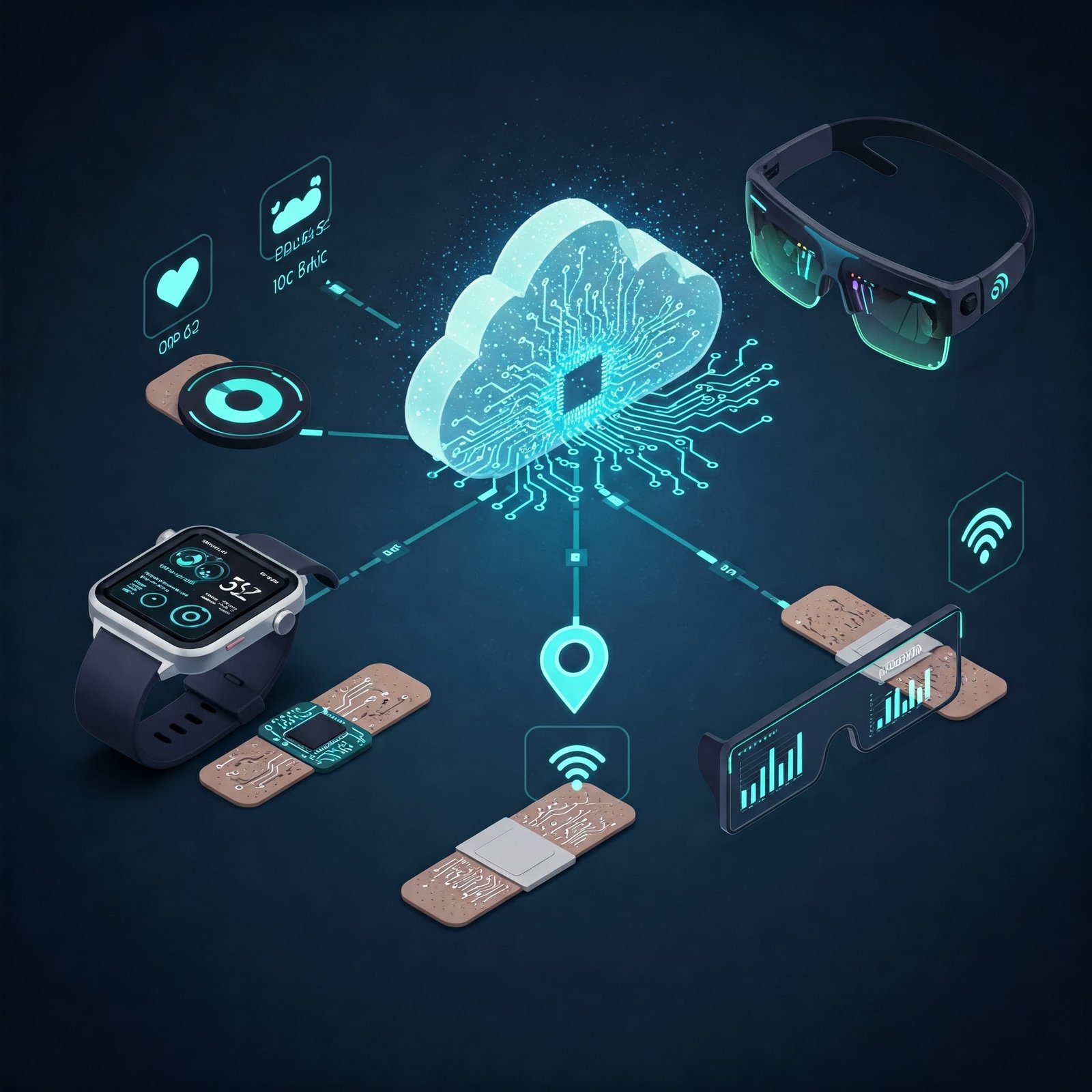
Wearable technology is rapidly becoming a part of everyday life. From smartwatches and fitness trackers to smart glasses and health monitoring devices, wearables are changing how people interact with technology. For beginners, wearable technology may seem confusing at first, but once understood, it offers convenience, health benefits, and improved productivity. This guide explains wearable technology in simple terms, helping beginners understand what it is, how it works, and why it matters.
Wearable devices are designed to be worn on the body and connected to digital systems such as smartphones or cloud platforms. These devices collect data, provide real-time information, and support daily activities. As technology advances, wearable tech is becoming more affordable, user-friendly, and useful for people of all ages.
What Is Wearable Technology
Wearable technology refers to electronic devices that are worn on the body as accessories, clothing, or implants. These devices are equipped with sensors, software, and connectivity features that allow them to collect and exchange data. Common examples of wearable technology include smartwatches, fitness bands, smart rings, health monitors, and smart clothing.
The main goal of wearable technology is to enhance human capabilities. Wearable devices track physical activity, monitor health metrics, deliver notifications, and provide hands-free access to information. For beginners, wearable tech offers an easy entry into the world of smart devices without requiring advanced technical knowledge.
How Wearable Technology Works
Wearable devices use sensors to collect data such as heart rate, movement, temperature, and location. This data is processed by built-in software and often synced with a smartphone or cloud-based application. Connectivity options like Bluetooth, Wi-Fi, and cellular networks allow wearables to communicate with other devices.
Most wearable technology relies on companion mobile apps where users can view data, customize settings, and receive insights. These apps convert raw data into meaningful information, helping users understand their health, habits, and performance.
Types of Wearable Technology Devices
There are many types of wearable technology available today. Smartwatches are among the most popular wearables, offering features like notifications, fitness tracking, and app support. Fitness trackers focus mainly on health and activity monitoring, making them ideal for beginners interested in wellness.
Smart glasses provide augmented reality experiences and hands-free information display. Wearable health devices monitor vital signs such as heart rate, oxygen levels, and sleep patterns. Smart clothing integrates sensors into fabric to track movement and body metrics. Each type of wearable technology serves different user needs.
Benefits of Wearable Technology for Beginners
Wearable technology offers many benefits, especially for beginners. One major advantage is health monitoring. Wearable devices help users track steps, calories, heart rate, and sleep quality, encouraging healthier lifestyles.
Convenience is another key benefit. Wearable devices provide quick access to notifications, reminders, and information without needing to check a phone constantly. Wearable technology also improves productivity by helping users manage time, track habits, and stay organized throughout the day.
Wearable Technology in Health and Fitness
Health and fitness are the most common uses of wearable technology. Fitness trackers and smartwatches help users monitor daily activity, exercise routines, and overall wellness. Beginners can use wearable tech to set fitness goals and track progress over time.
Wearable health devices also support preventive care by identifying irregular heart rates, sleep issues, and stress levels. This data helps users make informed lifestyle choices and, in some cases, share information with healthcare professionals.
Smartwatches Explained for Beginners
Smartwatches are multifunctional wearable devices worn on the wrist. They connect to smartphones and provide features such as notifications, fitness tracking, calls, messages, and app access. Many smartwatches also include GPS, heart rate monitoring, and voice assistants.
For beginners, smartwatches are easy to use and highly customizable. Users can choose watch faces, install apps, and enable only the features they need. Smartwatches are a great starting point for anyone new to wearable technology.
Fitness Trackers and Activity Bands
Fitness trackers are designed primarily for health and activity monitoring. These wearable devices track steps, distance, calories burned, and sleep patterns. Some fitness bands also monitor heart rate and offer basic notifications.
Fitness trackers are lightweight, affordable, and beginner-friendly. They are ideal for users who want to focus on physical activity and wellness without the complexity of full-featured smartwatches.
Wearable Technology for Everyday Life
Wearable technology is not limited to fitness. Many wearables support everyday tasks such as navigation, communication, and entertainment. Smartwatches allow users to control music, check weather updates, and receive alerts.
Wearable devices also support contactless payments, making transactions faster and more secure. For beginners, wearable technology simplifies daily routines and reduces dependence on smartphones.
Wearable Technology in Work and Productivity
Wearable technology is increasingly used in work environments. Smartwatches help professionals manage schedules, reminders, and notifications efficiently. Wearable devices reduce distractions by allowing users to check important updates quickly.
In some industries, wearable technology improves safety and efficiency. Wearable sensors track worker health, monitor environmental conditions, and enhance communication. Beginners entering modern workplaces benefit from understanding how wearable technology supports productivity.
Wearable Technology for Safety and Emergency Use
Wearable devices play an important role in personal safety. Many wearables include features like fall detection, emergency alerts, and location tracking. These features are especially useful for seniors and individuals with medical conditions.
In emergency situations, wearable technology can automatically notify contacts or emergency services. Beginners using wearable tech gain added peace of mind knowing help is accessible when needed.
Data Collection and Privacy in Wearable Technology
Wearable technology collects a significant amount of personal data. This includes health metrics, activity data, and location information. Beginners should understand how this data is collected, stored, and used.
Most wearable technology companies provide privacy settings that allow users to control data sharing. Using strong passwords, enabling security features, and reviewing privacy policies helps protect personal information.
Choosing the Right Wearable Technology for Beginners
Choosing the right wearable technology depends on individual needs and goals. Beginners should consider factors such as ease of use, compatibility with smartphones, battery life, and essential features.
It is recommended to start with a simple and affordable wearable device. Reading user reviews and comparing features helps beginners make informed decisions. Selecting a wearable that fits daily routines ensures long-term satisfaction.
Battery Life and Maintenance of Wearable Devices
Battery life is an important consideration in wearable technology. Some devices require daily charging, while others last several days or weeks. Beginners should choose wearables with battery life that matches their usage habits.
Proper maintenance extends the life of wearable devices. Keeping software updated, cleaning the device regularly, and charging it correctly ensures reliable performance over time.
Connectivity and Apps in Wearable Technology
Wearable technology relies heavily on connectivity. Bluetooth is commonly used to sync wearables with smartphones. Some advanced devices also support Wi-Fi and cellular connectivity.
Companion apps play a crucial role in wearable technology. These apps display data, provide insights, and allow customization. Beginners should explore app features to fully benefit from their wearable devices.
Wearable Technology Trends and Innovations
Wearable technology continues to evolve rapidly. New innovations include smart rings, advanced health sensors, and AI-powered insights. Wearables are becoming more accurate, compact, and energy-efficient.
Future wearable technology will focus on deeper health monitoring, personalized recommendations, and seamless integration with other smart devices. Beginners entering the wearable tech space today will benefit from these advancements over time.
Wearable Technology for Seniors and Beginners
Wearable technology is especially useful for seniors and beginners who need simple and reliable devices. Many wearables offer easy-to-read displays, intuitive controls, and health monitoring features.
For beginners, wearable technology provides an introduction to digital health and smart living. Devices designed for simplicity help users build confidence and gradually explore more advanced features.
Common Challenges with Wearable Technology
Despite its benefits, wearable technology has some challenges. Beginners may face issues such as device setup difficulties, data accuracy concerns, or compatibility problems.
Most challenges can be resolved by following setup guides, keeping software updated, and learning device features through tutorials. Over time, users become more comfortable using wearable technology.
How Wearable Technology Improves Lifestyle
Wearable technology encourages healthier habits by providing real-time feedback and motivation. Tracking progress helps users stay consistent with fitness and wellness goals.
Wearables also promote better time management and awareness. By delivering timely reminders and insights, wearable technology helps users make smarter lifestyle choices.
The Future of Wearable Technology
The future of wearable technology is focused on personalization, health innovation, and seamless integration. Advanced sensors will provide deeper health insights, while AI will offer smarter recommendations.
Wearable technology will become more affordable and accessible, making it a standard part of everyday life. Beginners who adopt wearable tech today will be well-prepared for future digital lifestyles.
Final Thoughts on Wearable Technology Explained
Wearable technology is transforming how people live, work, and stay healthy. For beginners, understanding wearable technology opens the door to smarter living and better self-awareness. From smartwatches and fitness trackers to health monitoring devices, wearables offer practical benefits for everyone.
By starting with simple devices and learning gradually, beginners can fully enjoy the advantages of wearable technology. As technology continues to advance, wearable devices will play an even greater role in shaping the future of digital life.